
case studies
Below is a summary of a project to give you a feel for the diverse nature of our work in recent years.
Yalding - Grade II Listed Barn into a Low-Carbon Home
Project Introduction
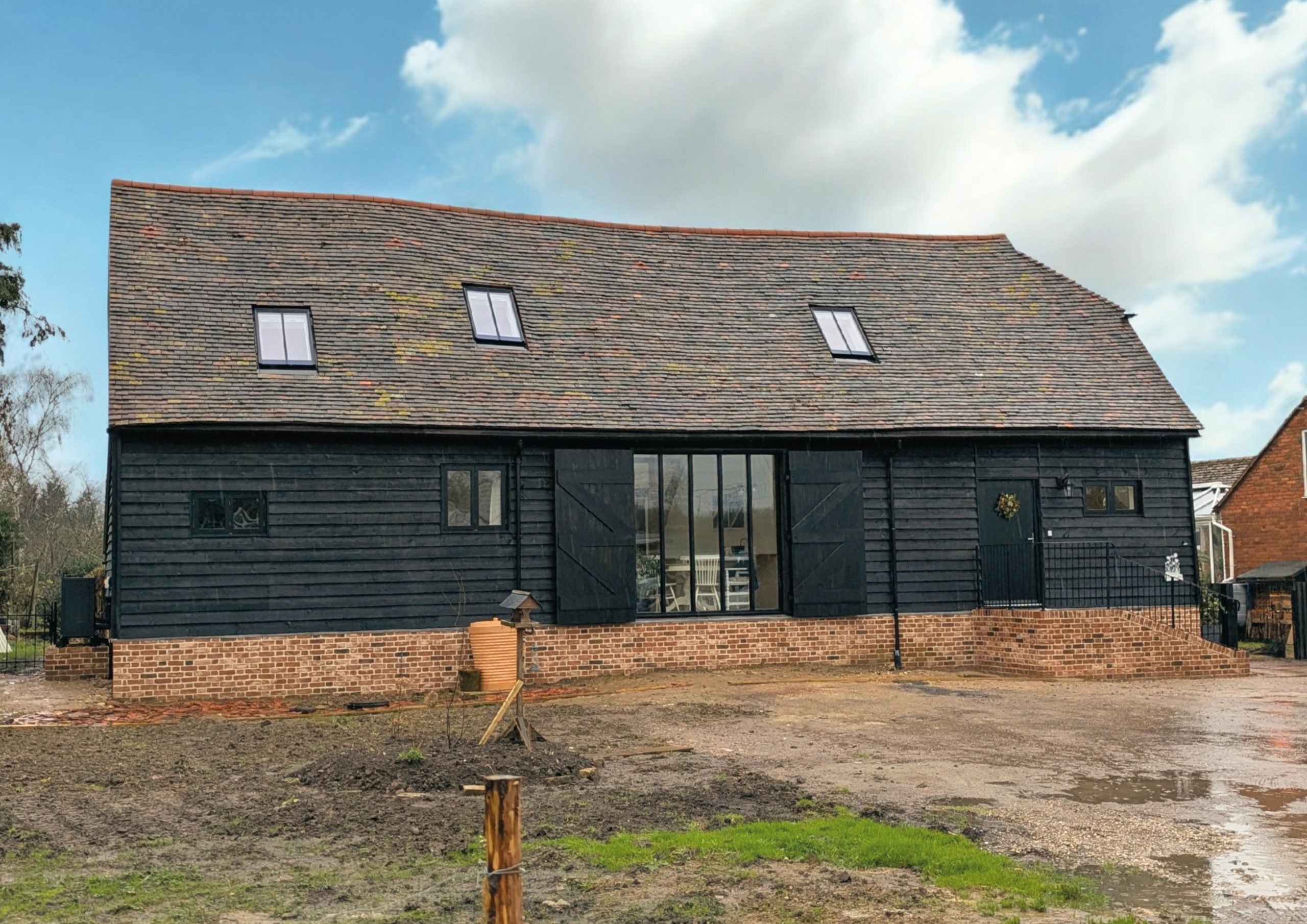
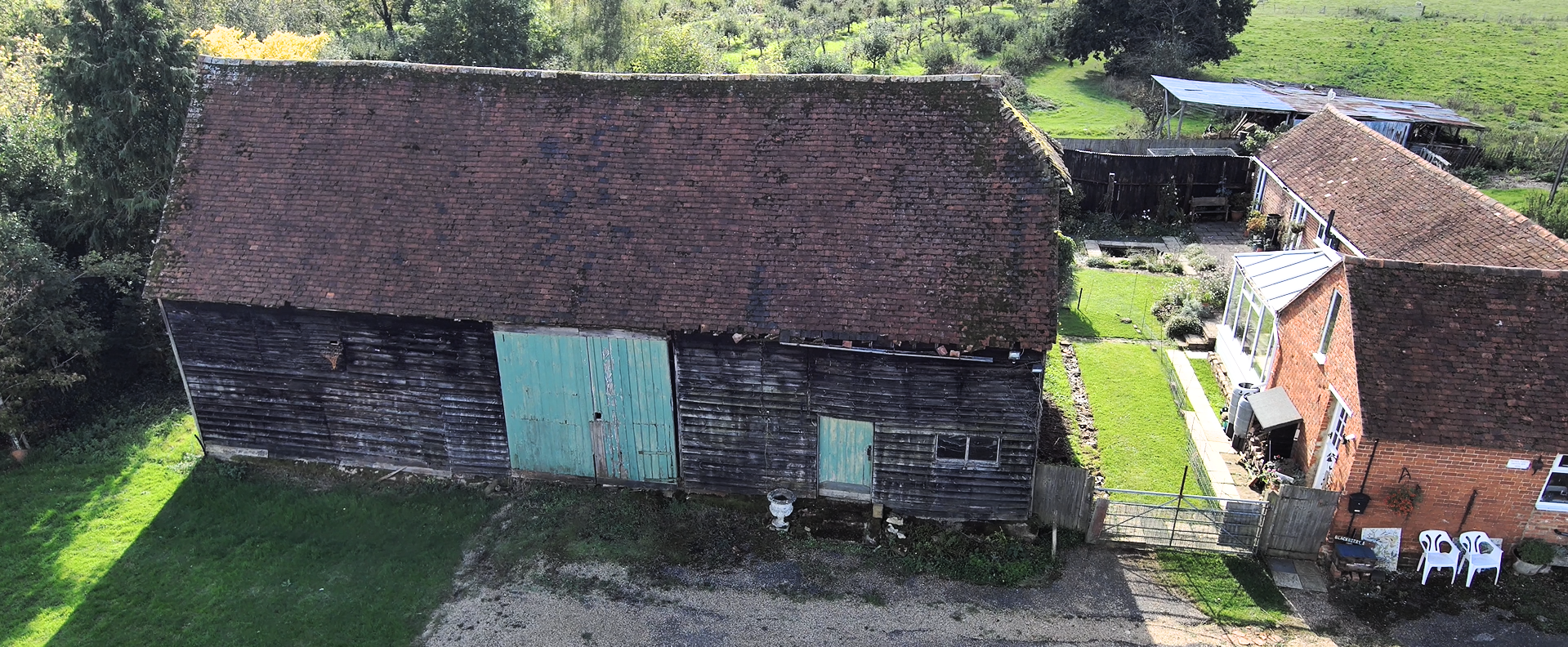
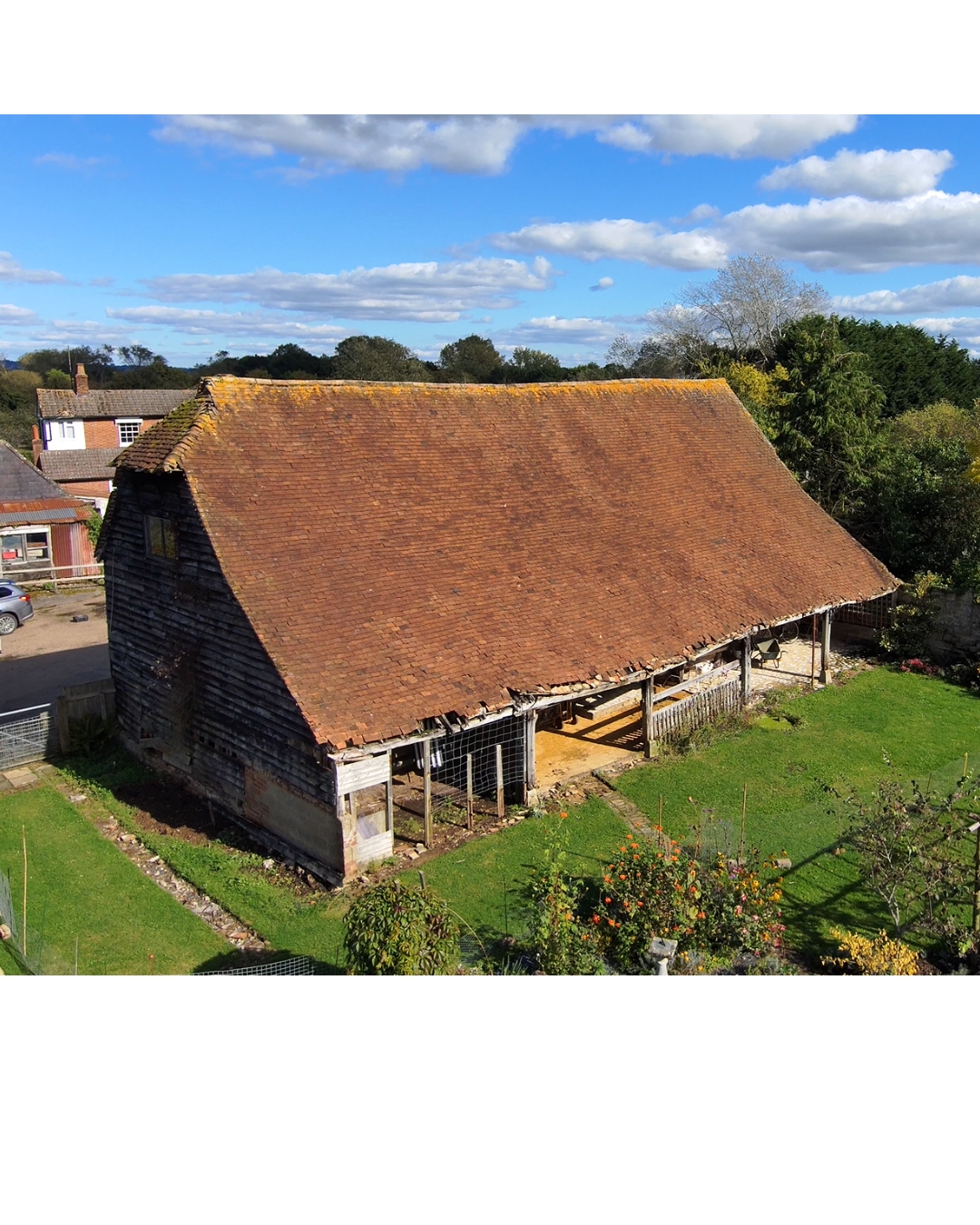
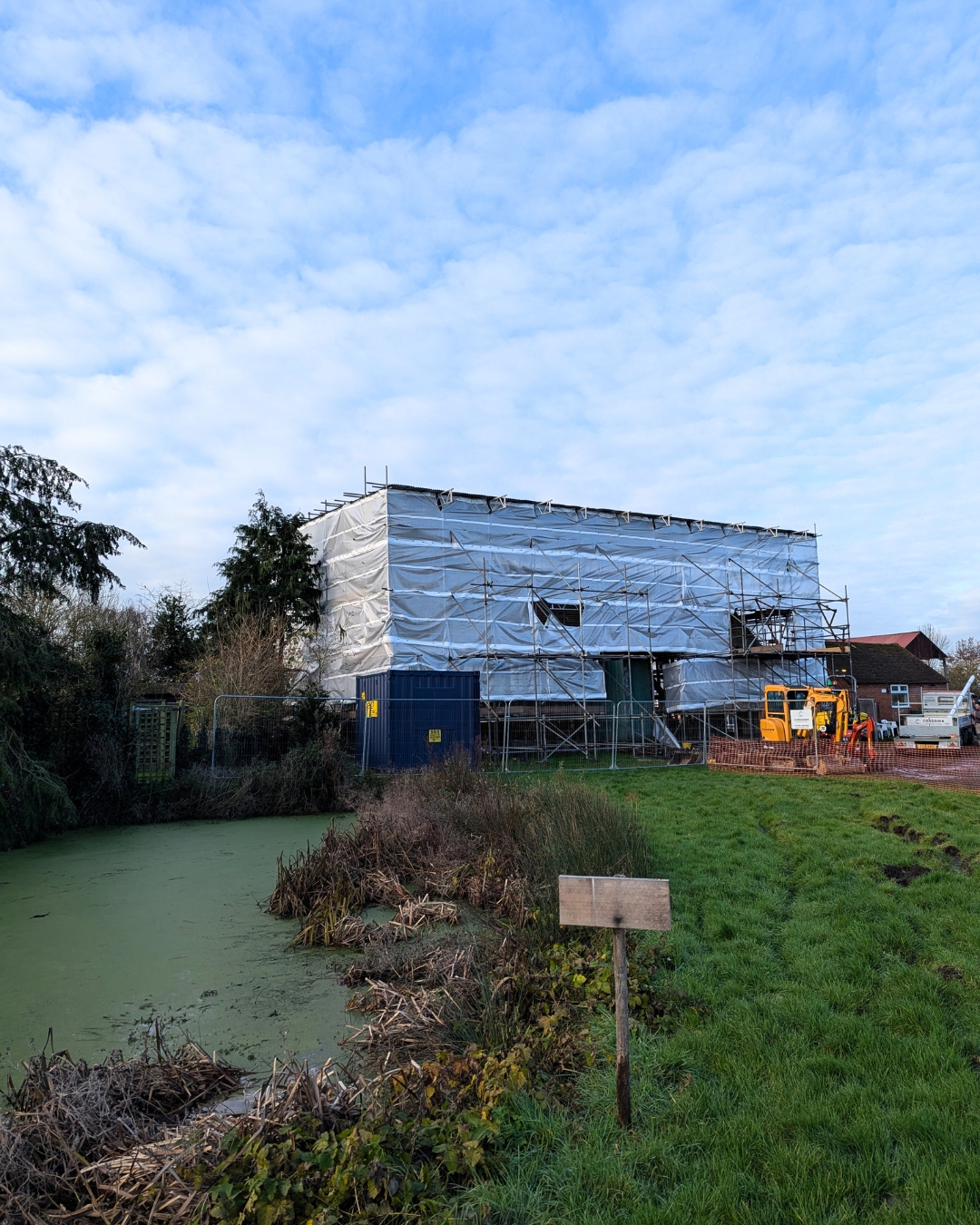
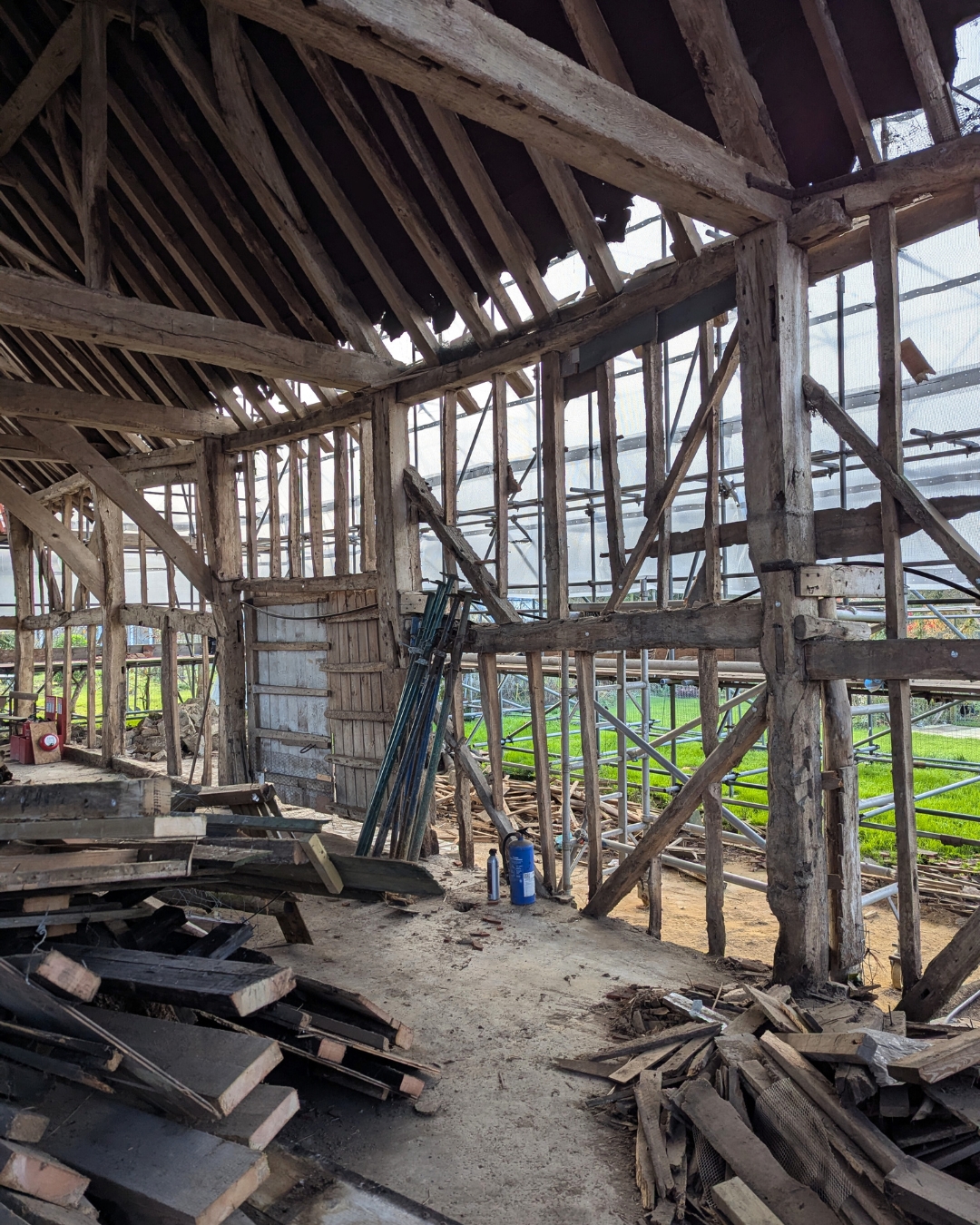
This project involved the conversion of a Grade II listed agricultural timber-framed barn in Yalding, Kent into a single residential dwelling. The barn, dating from the late 16th or early 17th century, had been disused for agricultural purposes for more than 30 years and had since been used only for storage and occasional ancillary activities. The project sought to secure a sustainable long-term use for the listed building, while preserving its historic character and ensuring that the conversion complied with local planning policies and heritage requirements.
Problems Faced
The project presented several significant planning and heritage challenges:
-
Previous Planning Refusal: An earlier application for conversion had been refused by the local planning authority due to concerns about landscape impact, loss of historic fabric, and lack of evidence that alternative commercial uses had been explored.
-
Listed Building Constraints: As a Grade II listed structure, any alterations required careful justification and protection of important historic elements such as the timber frame and roof structure.
-
Flood Risk: The barn sits within Flood Zone 3, meaning there is a high probability of flooding. This created structural and design constraints, particularly relating to floor levels and building resilience.
-
Structural Deterioration: Parts of the building, particularly the base of the timber frame, had deteriorated and required sensitive structural intervention.
-
Policy Compliance: The proposal had to satisfy Maidstone Borough Local Plan policies, particularly those relating to countryside development, heritage protection, and rural building conversions.
The Tangent Space Solution
Our approach focused on designing a sympathetic conversion that balanced heritage conservation with modern residential use, while directly addressing the reasons for the previous refusal.
Key elements of the strategy included:
-
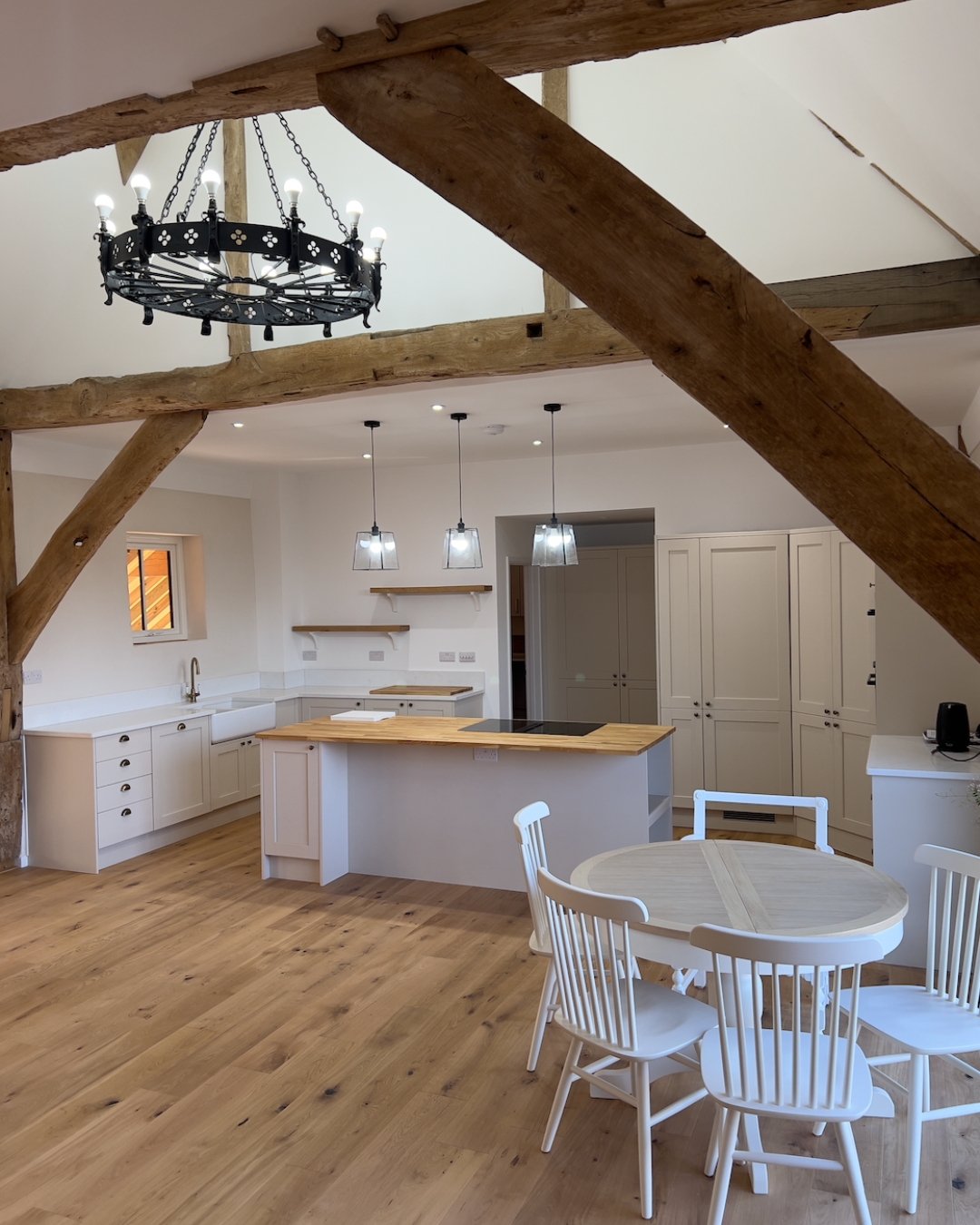
Heritage-Led Design: Extensive heritage surveys and timber assessments were undertaken to document the historic structure and ensure that key elements of the frame were preserved.
-
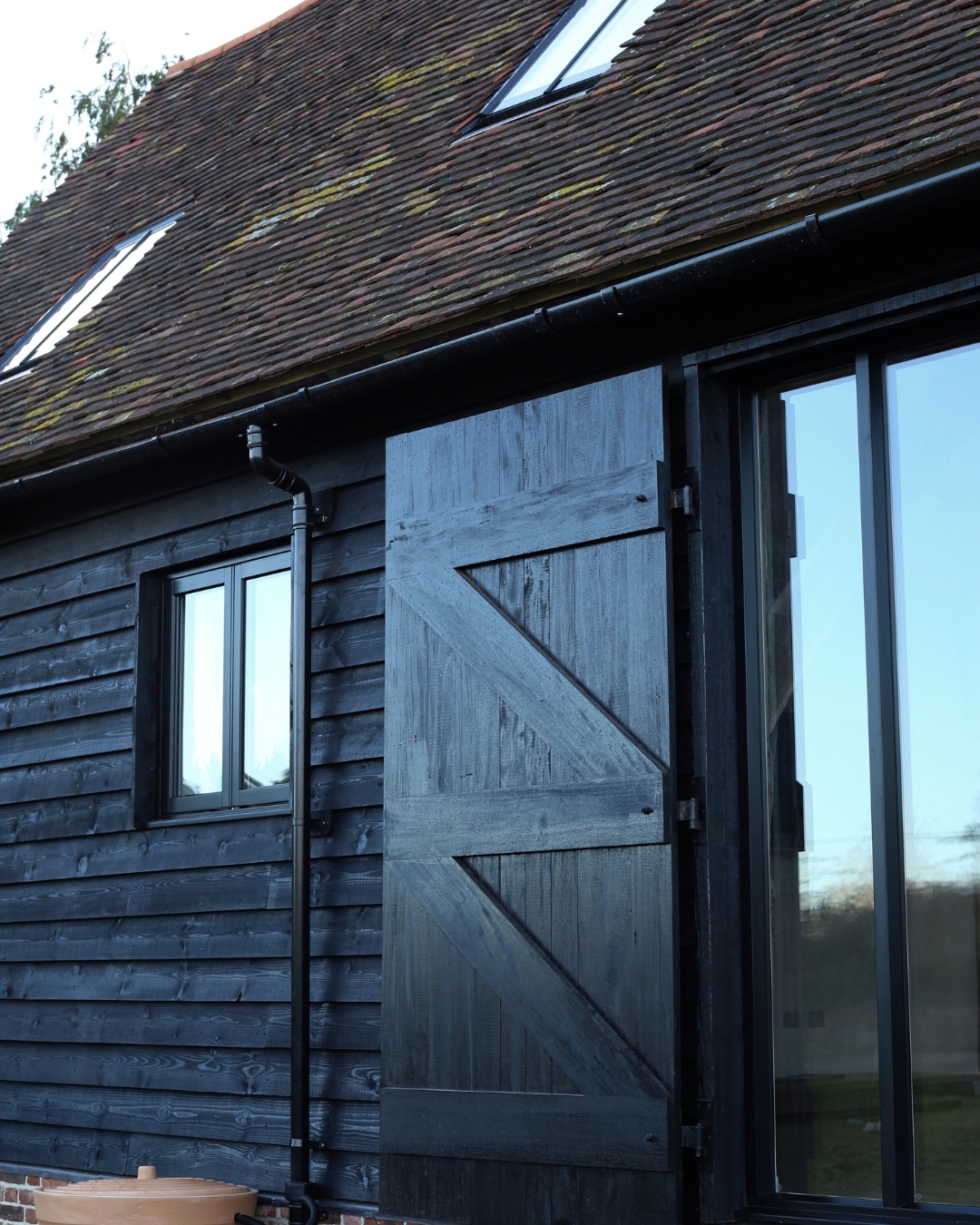
Minimal Intervention: The design limited new openings and reduced rooflights and glazing to the minimum required for building regulations.
-
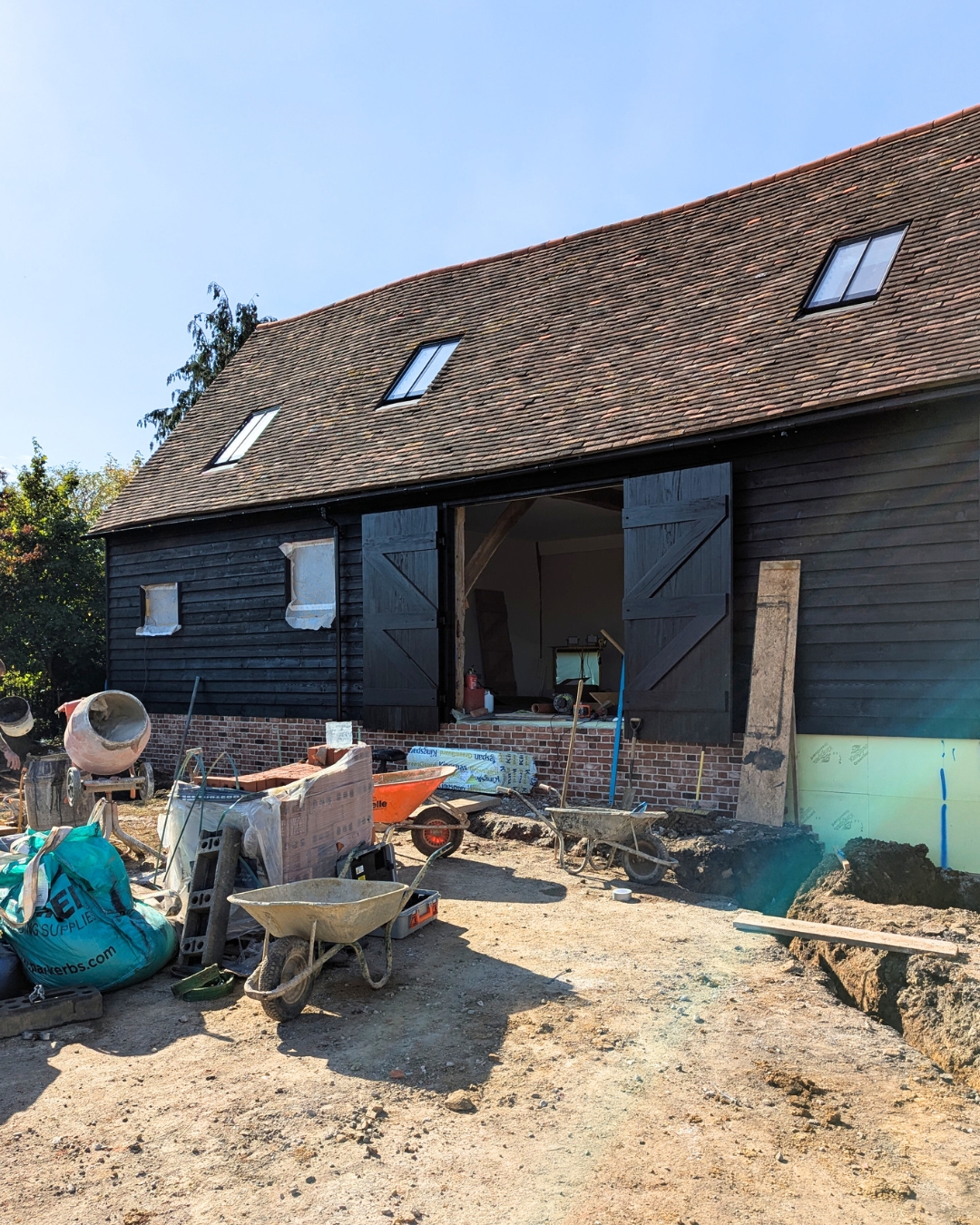
Sensitive Materials: New elements such as weatherboarding, windows, and rooflights were carefully selected to match the barn’s traditional appearance.
-
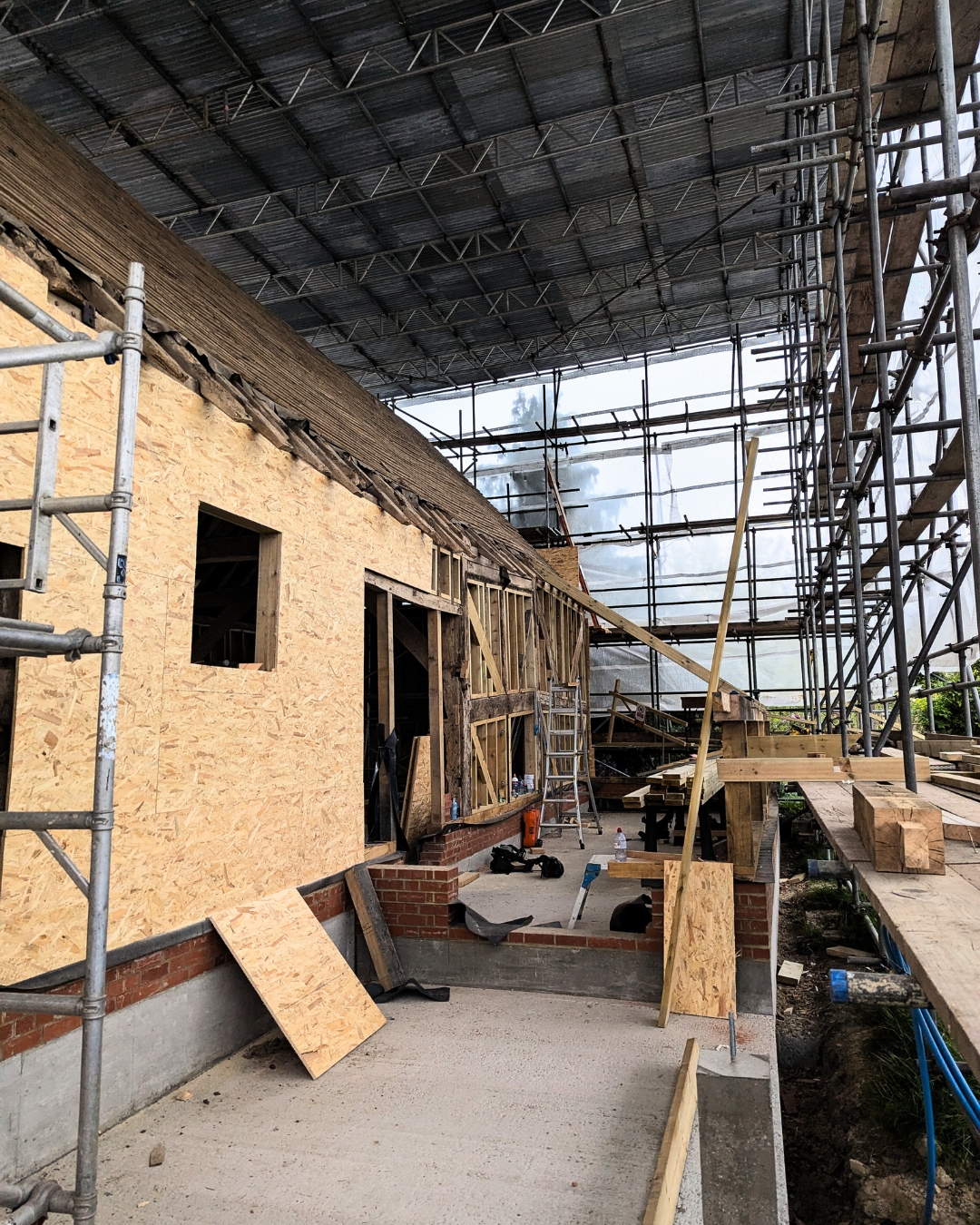
Flood Resilience: The ground floor was raised approximately 500–600mm above flood level, protecting the historic timber structure and improving the building’s long-term resilience.
-
Structural Conservation: A new dwarf wall and reinforced foundation were designed to stabilise the building while allowing decayed timber bases to be sensitively repaired.
-
Policy Justification: A viability assessment demonstrated that residential conversion was the only feasible long-term use for the building, meeting planning policy requirements for rural building conversions.
The Result
From the outset, our goal was to respect the character of the original structure while creating a property fit for the future. Sustainability and energy efficiency were placed at the heart of the design, and the results speak for themselves. The finished home has achieved an Energy Performance Certificate rating of B and an Environmental Impact Rating of A, an excellent outcome for a conversion project of this nature. The completed project delivers annual carbon emissions of just 0.7 tonnes of CO₂, representing almost a 90% reduction compared to the average 6 tonnes for an equivalent property. The result is a home that not only preserves a historic rural building but also demonstrates how heritage architecture can successfully combine conservation with modern energy-efficient design.
get in touch
Have any questions? We are always open to talk about our business, new projects and how we can help you.