
What is Regenerative Architecture and Why Does It Matter?
In the design world, we often talk about “sustainability” – aiming for a net-zero impact where a building simply does no additional harm. But given the climate challenges we face, merely breaking even isn’t enough anymore.
Sustainable architecture is just one step above legal. Regenerative architecture on the other hand is about creating a net-positive impact, designing structures that actively heal, restore, and improve their surrounding environment.
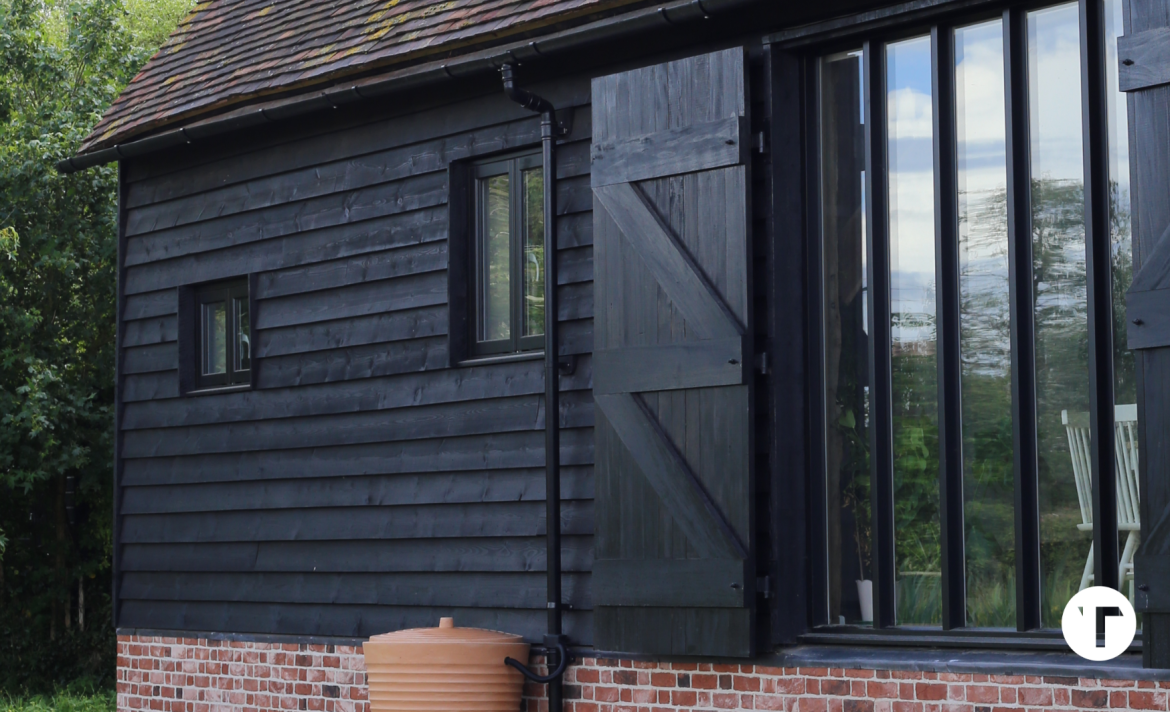
This week, we’ve been reflecting some more on our barn conversion project in Kent, which has quickly become our hero project for showcasing exactly how heritage preservation and regenerative design can work hand-in-hand.
Instead of just “conserving” history, we used a heritage-led approach to actively upgrade the building’s relationship with its environment.
Here is how the project brings the core pillars of regenerative architecture to life:
Embodied Carbon Stewardship: The greenest building is the one that already stands. By choosing adaptive reuse over demolition, we locked away centuries of embodied carbon inside the existing oak framing, while upgrading the interior with breathable, natural insulation.
A Fabric-First Approach: Before looking at complex technology, we focused on the building itself. To protect the delicate, listed structure while meeting modern comfort levels, we prioritised a highly efficient, breathable external envelope. By insulating deeply and optimising airtightness from the inside out, we drastically reduced the building’s basic heating demand.
Thermal & Energy Innovation: With the fabric doing the heavy lifting, we paired the high-performance envelope with an air-source heat pump. This combination radically slashes operational emissions, proving that historic homes can perform to modern eco-standards.
Ultimately, this project highlights why regenerative design matters so much right now. If we want a net-positive future, we can’t just focus on building new eco-homes; we have to heal, adapt, and future-proof the incredible historic structures we already have.

No responses yet